
Designing Furniture for Enhanced Workflow Efficiency
In today's fast-paced work environments, having furniture that supports workflow efficiency is essential. This article explores how functional furniture design can optimize your workspace, enhance productivity, and create multifunctional solutions that adapt to your needs.
Understanding the Basics
Effective workspace design is not just about aesthetics; it is about creating an environment that promotes efficiency and comfort. According to research conducted by the American Society of Interior Designers, well-designed workspaces can boost productivity by as much as 20-30% in similar contexts. The principle behind this is that furniture configured to enhance workflow minimizes distractions and enables seamless transitions between tasks.
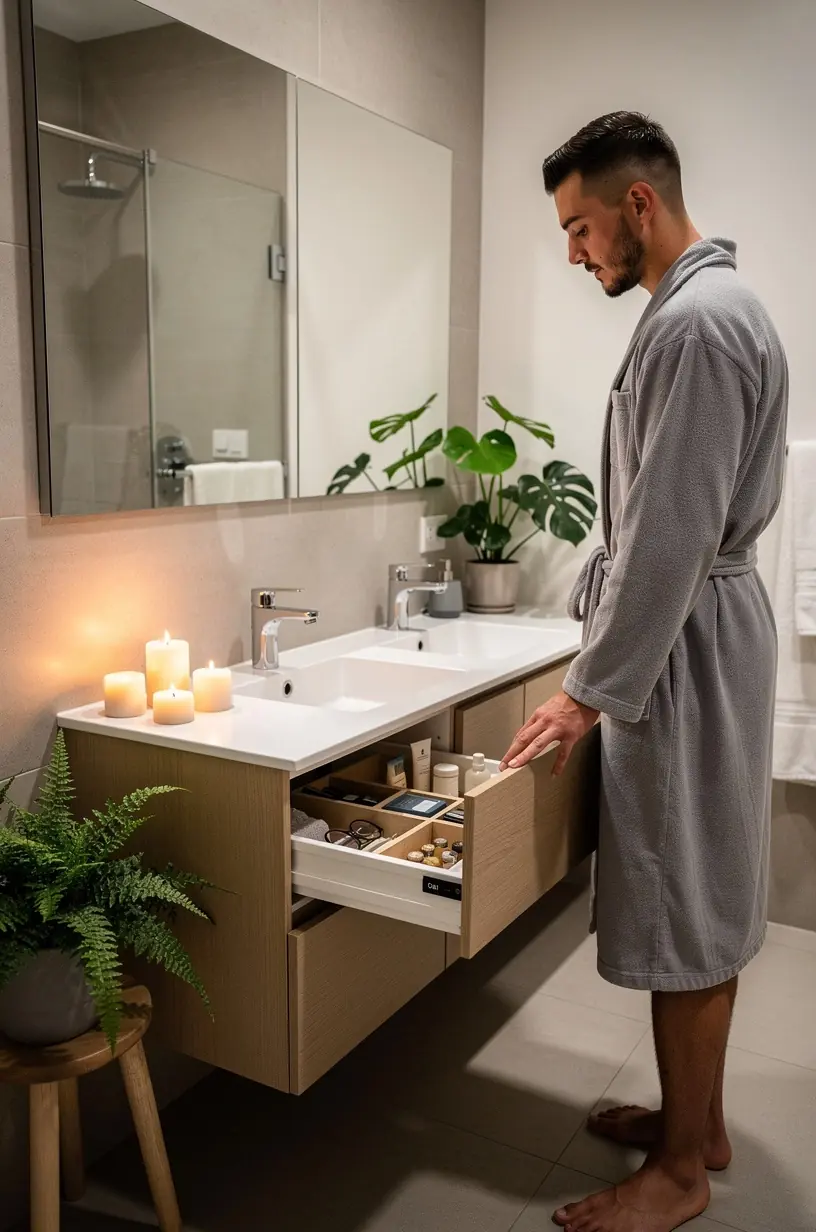
"A well-thought-out workspace can significantly impact employee satisfaction and performance." - Industry Expert
Key Elements of Functional Furniture Design
When designing furniture for enhanced workflow efficiency, consider the following key elements:
- Adaptability: Furniture that can be easily rearranged or adjusted to meet changing needs can help maintain efficiency. Research indicates that modular furniture systems can help users tailor their space based on their tasks (e.g., collaborative work vs. focused tasks).
- Storage Solutions: Integrating smart storage solutions can reduce clutter, which is often cited as a common productivity barrier. According to a study by the National Institute of Health, reducing visual distractions can enhance focus and performance.
- Ergonomics: Furniture designed with ergonomics in mind helps prevent discomfort and fatigue, allowing users to work for longer periods without distraction. Experts recommend an investment in adjustable desks and chairs to accommodate different body types and work styles.
Practical Application of Multifunctional Solutions
To achieve a functional workspace, consider the following practical applications:
- Assess Your Workflow: Begin by evaluating how you and your team interact with your current workspace. Identify bottlenecks and areas requiring improvement.
- Opt for Modular Designs: Select furniture that can be reconfigured as needed. Many users report increased satisfaction and efficiency when their workspace can adapt to various tasks.
- Incorporate Technology: Integrate technology solutions such as built-in charging stations and cable management systems. This not only helps maintain a clean appearance but also enhances functionality.
Acknowledging Limitations
It is important to recognize that designing an efficient workspace often requires time and investment. Implementing these changes typically takes 2-4 weeks, depending on the size and scope of the project. Additionally, there may be a learning curve for staff as they adapt to new furniture arrangements and workflows.
Conclusion
Designing furniture for enhanced workflow efficiency is a multifaceted process that can yield substantial benefits in productivity and employee satisfaction. By focusing on adaptability, smart storage solutions, and ergonomic design, you can create a workspace that supports your team's needs while promoting efficiency. Remember that effective design takes time, and while this approach has helped many users achieve their goals, it may require ongoing adjustments to align with evolving work dynamics. Ultimately, investing in functional furniture is an effective strategy that can lead to improved workflow and overall workplace success.
Learn More