How to Choose the Right Multifunctional Furniture
Choosing the right multifunctional furniture can significantly enhance the usability of your space, particularly in smaller homes or apartments. This guide aims to provide practical insights into selecting effective storage solutions while ensuring functionality and aesthetics work together.
Understanding Multifunctional Furniture
Multifunctional furniture is designed to serve more than one purpose, offering innovative solutions for limited spaces. According to interior design experts, the principle behind multifunctional design is maximizing utility while minimizing space usage. Such furniture can include items like sofa beds, extendable dining tables, and storage ottomans.

"Multifunctional furniture can reduce clutter and enhance living space efficiency, making it a smart choice for many homeowners," says design consultant Sarah Miller.
Factors to Consider When Choosing Multifunctional Furniture
- Space Requirements: Evaluate your available space by measuring the dimensions of the area where you plan to place the furniture. This will help avoid overcrowding and ensure that chosen pieces fit seamlessly within your existing layout.
- Functionality: Consider the primary functions you need. For example, if you frequently entertain guests, a sofa bed may be ideal. Research indicates that selecting furniture based on specific needs can improve overall satisfaction with your living space.
- Quality and Durability: Look for materials that can withstand regular use. Many experts suggest investing in higher-quality pieces, as they typically provide better longevity and value over time.
Practical Tips for Selection
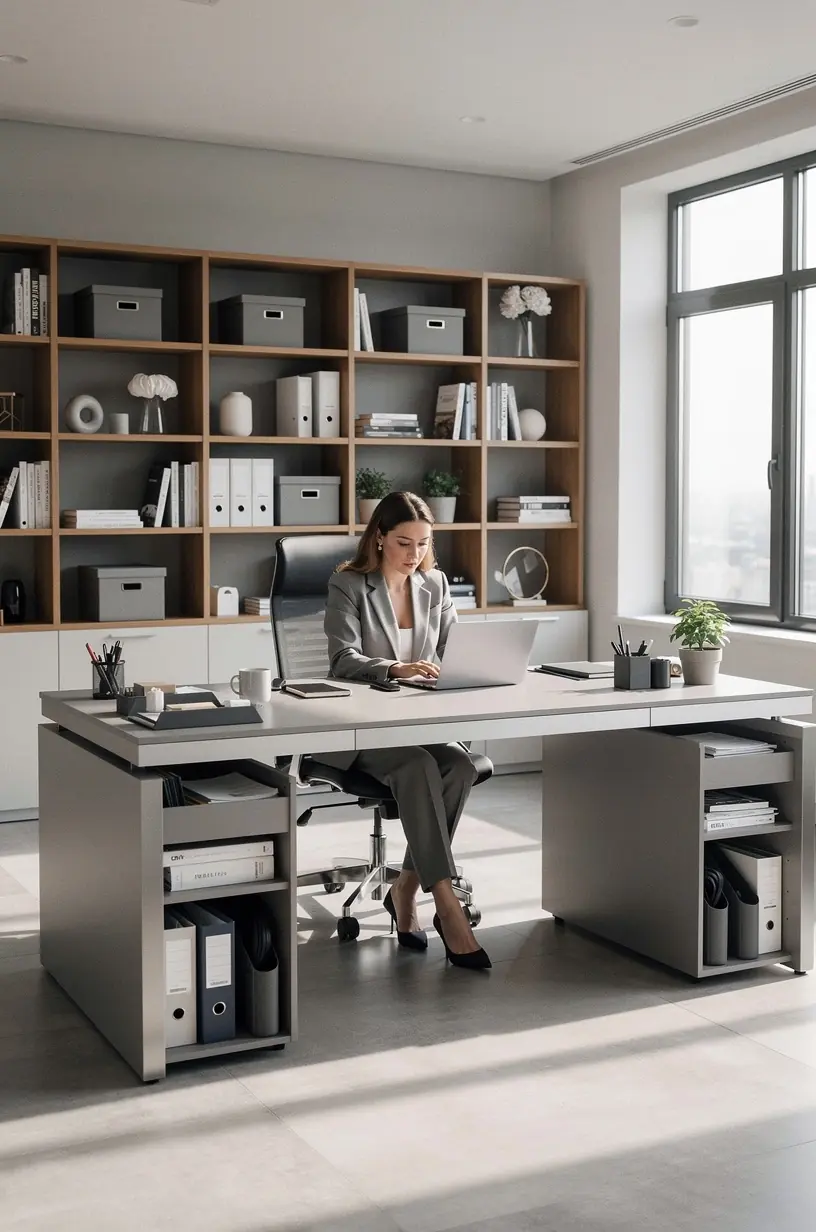
- Assess Your Lifestyle: Think about your daily activities. Furniture that aligns with your lifestyle can enhance convenience. For instance, if you work from home, a desk that doubles as a shelf can save space and increase productivity.
- Research Options: Explore different styles and functionalities. Retailers often provide catalogs or websites where you can see how various pieces function in different environments.
- Test Before You Buy: Whenever possible, visit a showroom to try out the furniture. This firsthand experience, which many users report as valuable, can help you understand the quality and usability of the piece.
Acknowledging Limitations
While multifunctional furniture can offer several advantages, it is essential to recognize that it may not be suitable for every situation. Some designs may involve a learning curve regarding assembly or operation. Additionally, the effectiveness of these solutions often depends on the specific context and usage patterns, meaning they might not meet everyone’s expectations.
Conclusion
Choosing the right multifunctional furniture requires careful consideration of your space, needs, and lifestyle. By prioritizing quality, utility, and aesthetic appeal, you can create a living environment that is both practical and inviting. Remember, the right choice may require some time to evaluate different options, but the end result can significantly improve your home’s functionality.
Learn More