Practical Tips for Designing a Multi-Use Room
Designing a multi-use room can be an effective way to maximize space and enhance functionality, especially in homes where square footage is limited. By implementing smart storage solutions and multifunctional furniture, you can create an inviting and efficient environment.
Understanding the Basics of Multi-Use Design
Creating a multi-use room entails careful consideration of how the space will be utilized over time. According to research from the American Institute of Architects, spaces designed for multiple functions can improve overall usability by approximately 30%. This approach allows homeowners to adapt their living environments to various needs, from leisure to work.

"Flexible design can significantly enhance the efficiency of small living spaces." - Architectural Digest
Key Principles to Consider
When embarking on your multi-use room project, consider these key principles:
- Define the Room's Purpose: Begin by identifying the different functions the room needs to serve. This could include areas for working, relaxing, and entertaining. Experts recommend prioritizing these activities to guide your design choices.
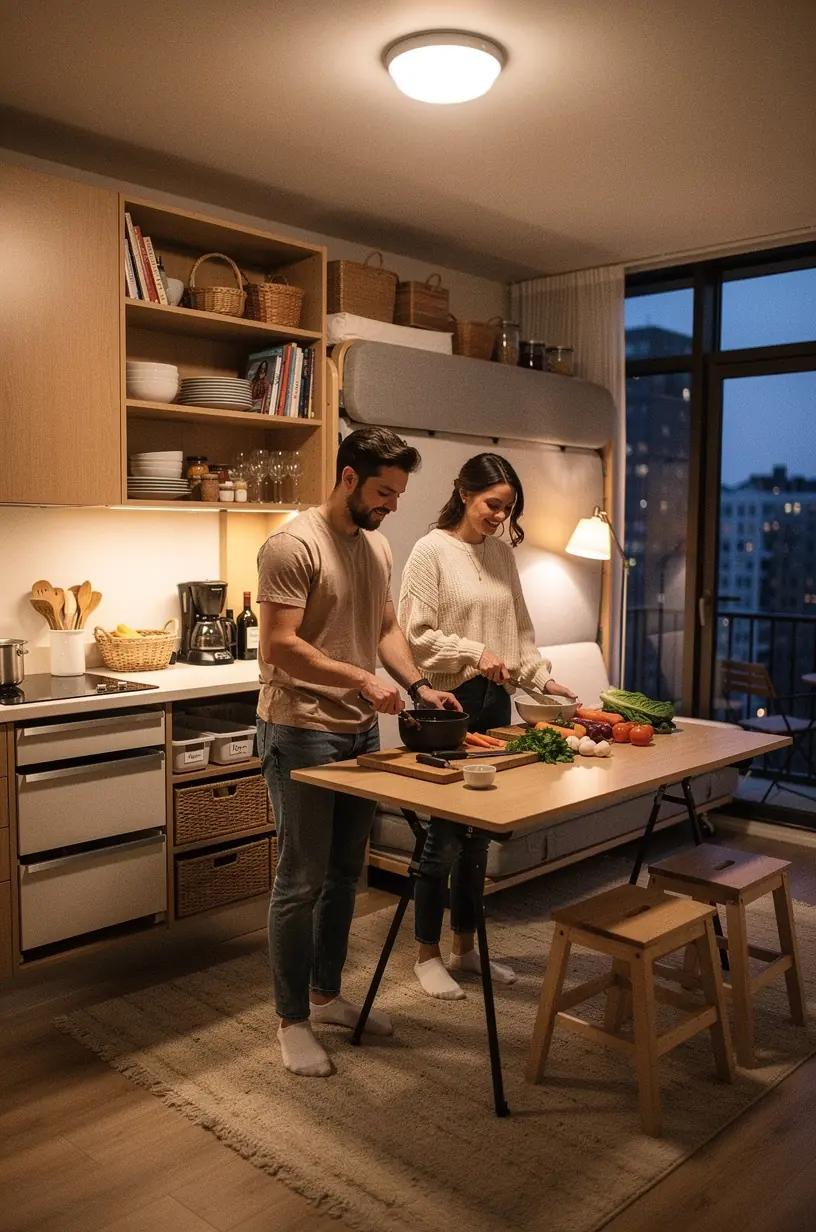
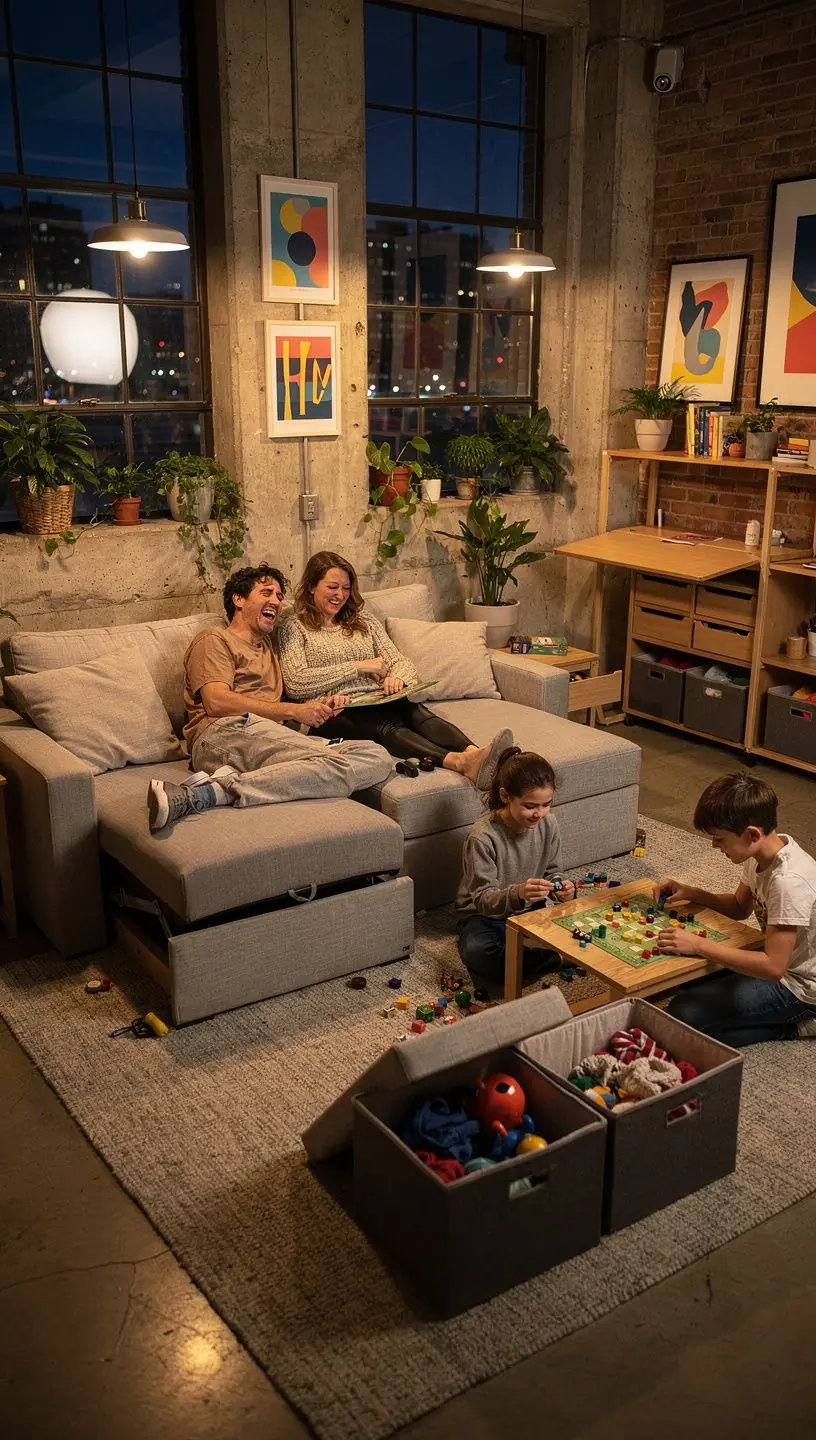
- Choose Multifunctional Furniture: Opt for furniture that can serve multiple purposes. For example, a sofa bed can transform a living room into a guest room. According to a study by the National Association of Home Builders, furniture that adapts to various needs is becoming increasingly popular among homeowners.
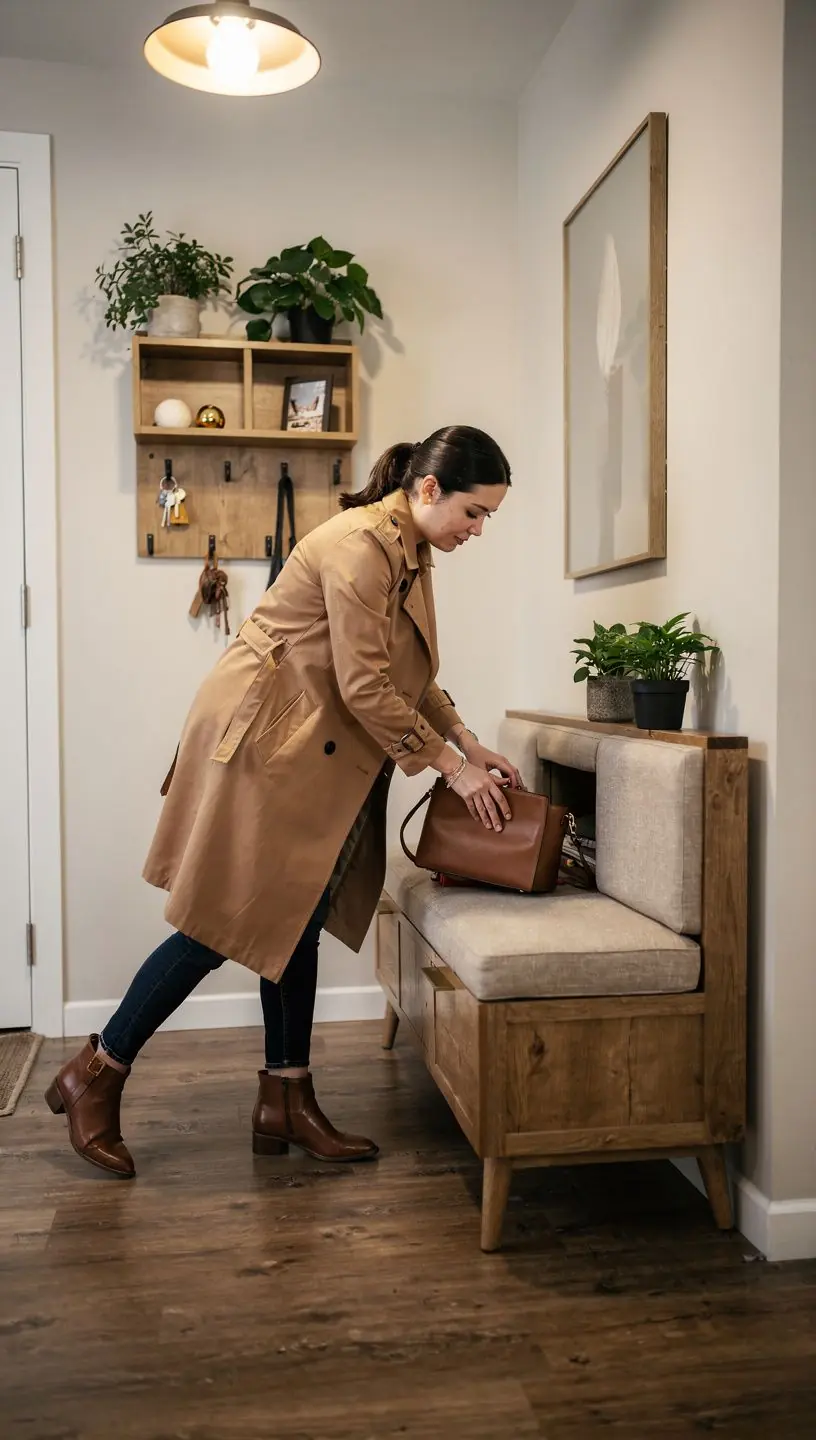
- Incorporate Smart Storage Solutions: Utilize vertical space and hidden storage options. Built-in shelves or under-bed storage can effectively declutter your environment while ensuring easy access to items. Industry experts suggest that effective storage solutions can reduce clutter by up to 40%, making your living space feel more organized.
Design Techniques to Enhance Functionality
To further optimize your multi-use room, consider implementing the following techniques:
- Use Color Strategically: Lighter colors can make a room feel larger, while bold accents can create focal points. Research from color specialists indicates that using a cohesive color palette helps in creating a harmonious environment.
- Implement Zoning: Define distinct areas within the space using rugs, furniture arrangement, or partitions. The principle of zoning helps in delineating different activities, contributing to a more structured environment.
- Maximize Natural Light: Natural light can make a space feel more inviting. Studies indicate that environments with ample natural light can improve mood and productivity by 15-20%. Consider utilizing sheer curtains or mirrors to reflect light throughout your space.
Conclusion
Designing a multi-use room can be a rewarding endeavor that enhances the functionality of your living space. By following these practical tips and employing smart design strategies, you can create a versatile environment that adapts to your lifestyle. Remember that while multifunctional design offers many benefits, it typically involves a learning curve and may require some experimentation to find what works best for you.