The Role of Sustainability in Furniture Design
As the demand for sustainable products continues to rise, furniture design is experiencing a transformative shift. In this article, we explore how sustainability impacts the functional furniture industry, focusing on smart storage and multifunctional solutions.
Understanding the Importance of Sustainability
Furniture design has traditionally focused on aesthetics and functionality; however, sustainability is becoming a critical factor. According to the American Society of Interior Designers (ASID), many consumers prioritize eco-friendly materials when making purchasing decisions. This shift is driven by an increasing awareness of environmental issues and a desire to reduce carbon footprints.

"Sustainable design is not just a trend; it's becoming a standard in the furniture industry," states Dr. Sarah Greene, a leading expert in sustainable architecture.
Materials Matter
The choice of materials in furniture design can significantly influence environmental impact. Typically, sustainable furniture is made from reclaimed wood, bamboo, or recycled materials. Research indicates that these materials can often reduce waste and energy consumption during production. For instance, bamboo grows rapidly and can be harvested within three to five years, making it a renewable resource.
Designing for Longevity
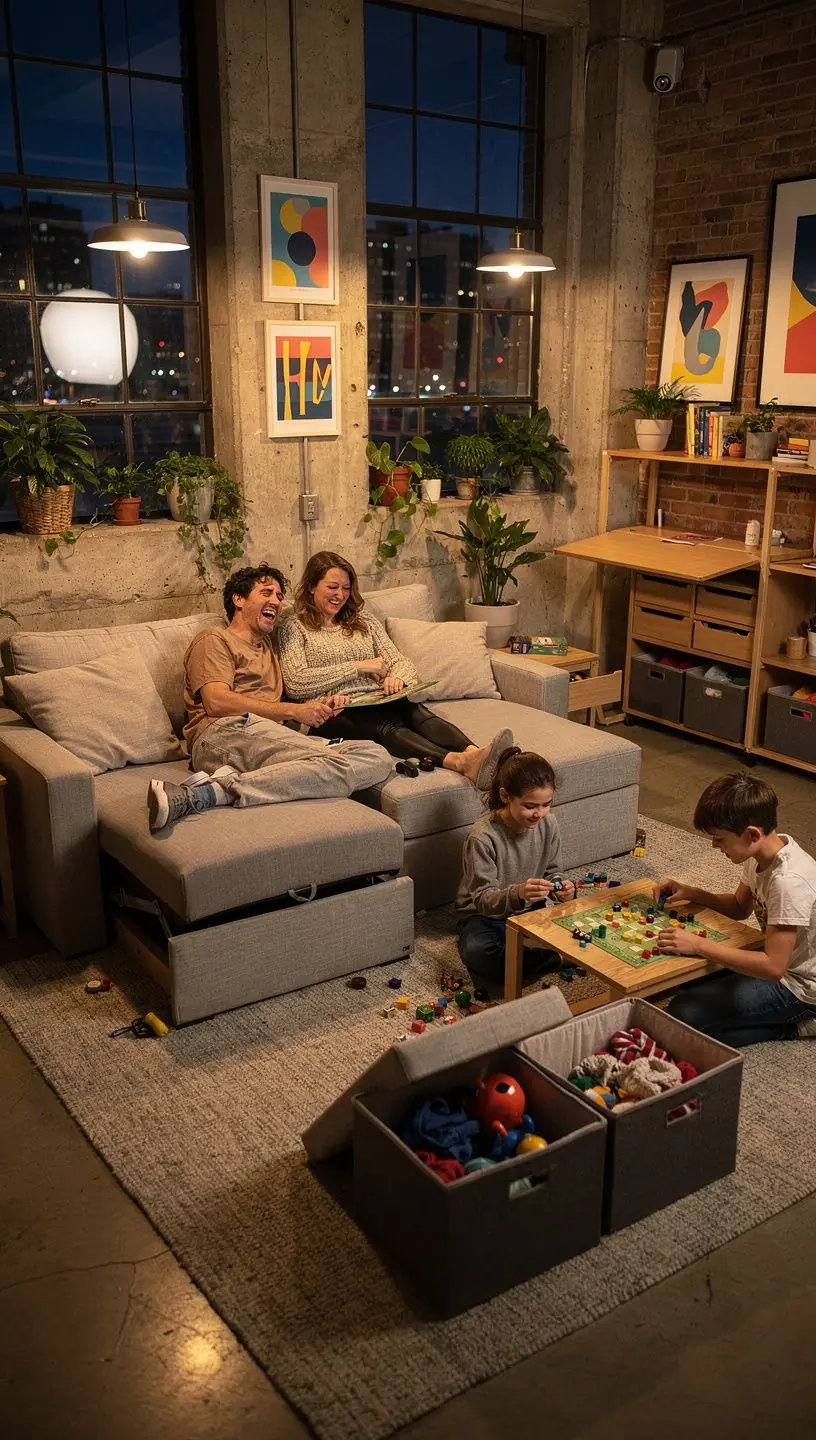
Another key aspect of sustainability in furniture design is creating products that are built to last. Experts recommend designing multifunctional furniture that serves multiple purposes, thereby reducing the need for additional items. For example, a coffee table that doubles as storage can help minimize clutter while maximizing space in smaller living areas.
- Consider using durable materials that can withstand wear and tear, such as solid wood or high-quality metal.
- Incorporate modular designs that allow for easy reconfiguration and adaptation over time.
- Educate consumers on the care and maintenance of their furniture to extend its lifespan.
Challenges and Limitations
While there are many advantages to sustainable furniture design, challenges remain. Many sustainable materials can be more expensive than their conventional counterparts, which may deter some consumers. Additionally, achieving a balance between aesthetics, functionality, and sustainability requires careful planning and design expertise.
Conclusion
In conclusion, the role of sustainability in furniture design is increasingly significant as consumers become more conscious of their environmental impact. By focusing on eco-friendly materials and multifunctional solutions, functional furniture studios can meet modern demands while promoting sustainable practices. As the industry evolves, embracing sustainability can lead to innovative designs that not only fulfill practical needs but also contribute positively to the planet.